Prompt engineering: why the same question gets a better answer when you ask it well
Context in an AI prompt: why a few details change the whole answer
Add one line of details to a question for an AI chatbot, and the answer can change from top to bottom, even words you never asked for. Nothing inside the model changed. So what did?
-
1
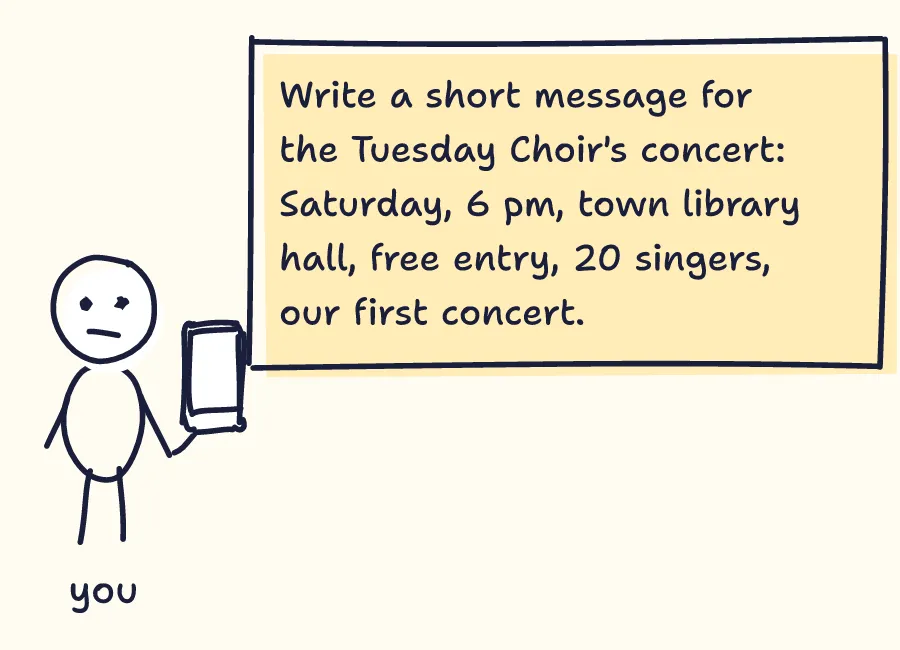
This time, you write down what is in your head: the day, the time, the place, the price. You add that the choir has 20 singers, and that this is its first concert.
-
2
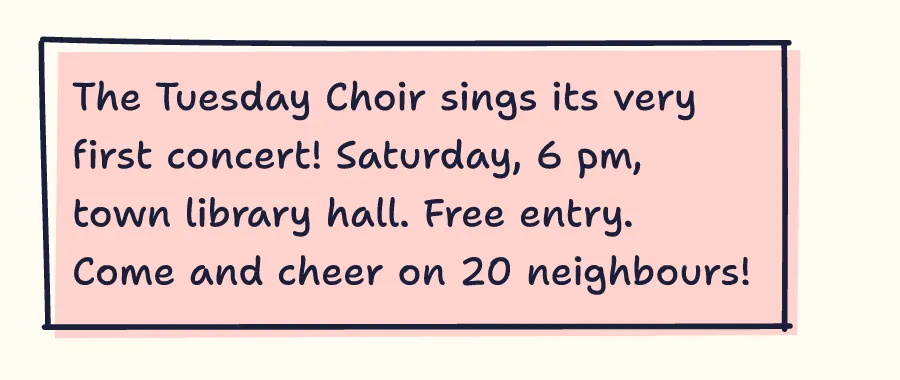
The new answer has your day, your place and your price. It even sounds like a small choir of neighbours, not a famous one.
-
3
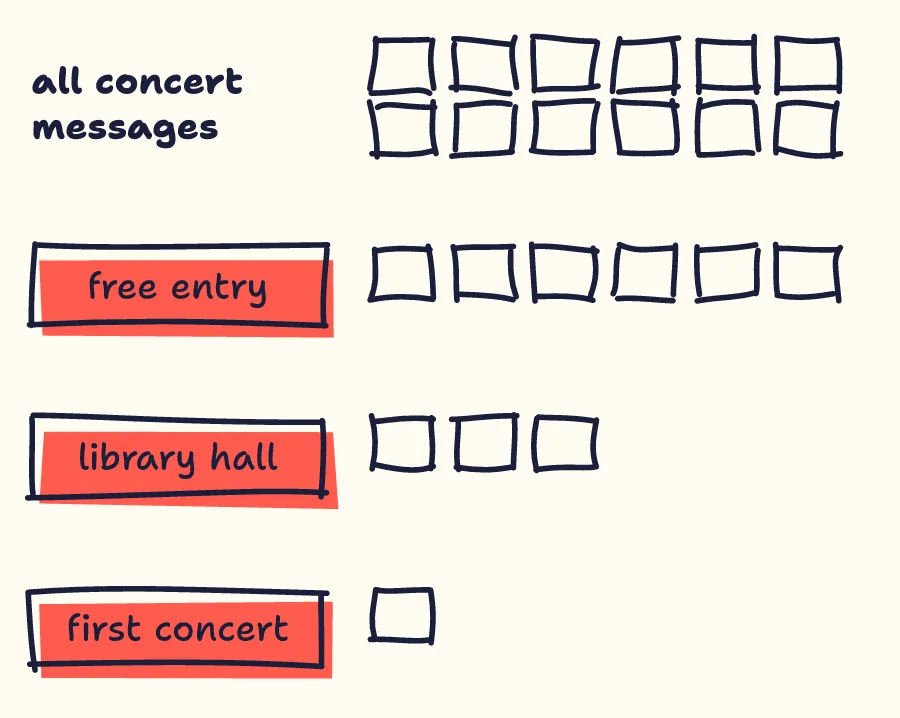
Each detail rules out the texts that do not fit it. "Free entry" rules out the big concert halls. "Library hall" rules out the stadiums. The crowd of texts that look like your prompt gets smaller and closer to you.
-
4
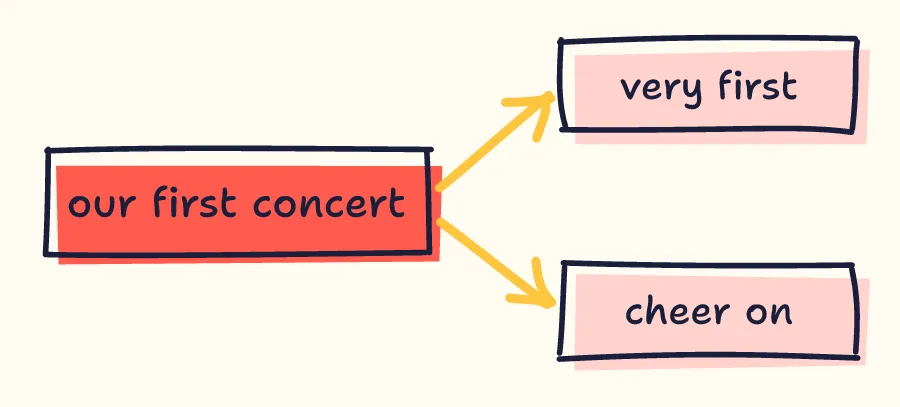
Some words came that you never asked for. "Our first concert" made words like "very first" and "cheer on" likely, because messages about a first concert often say them. A detail also brings other words with it.
-
5
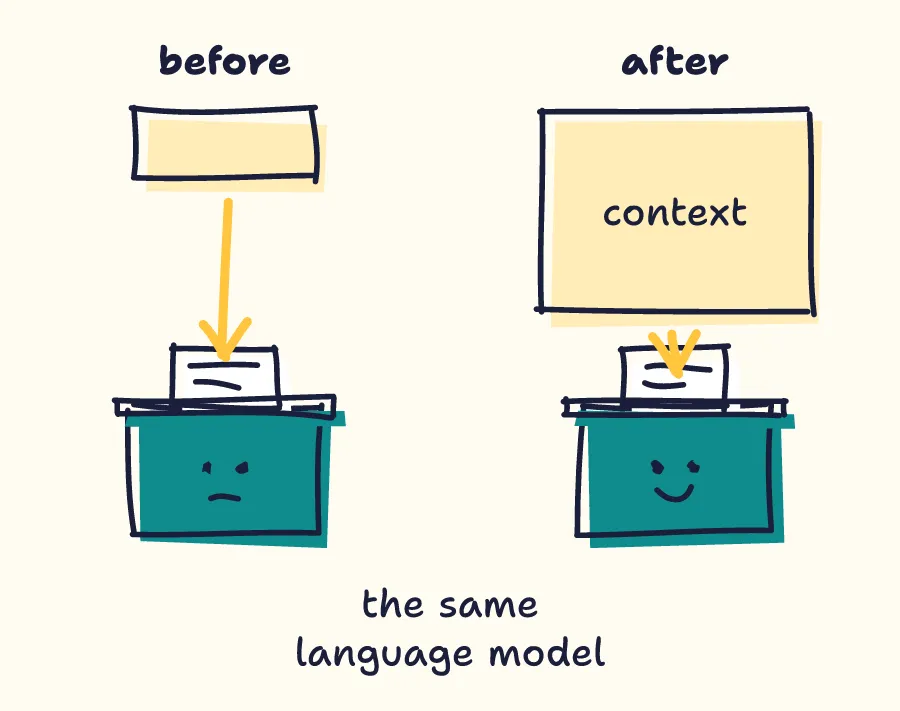
Between the two answers, nothing in the model changed. It is the same model, with the same training. Only the text it got was different. The text around your request is called the context.
-
6
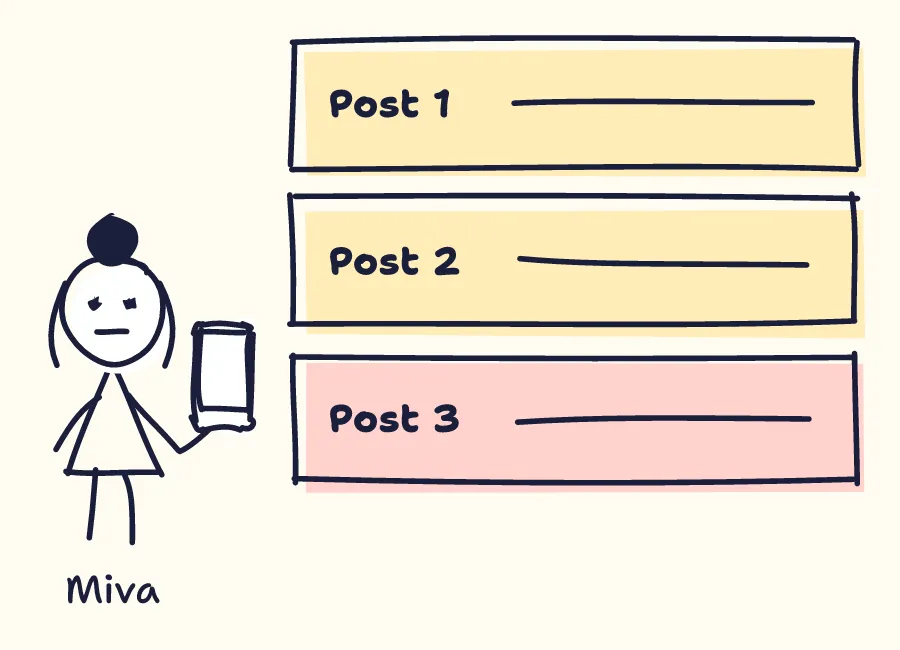
Then Miva, who writes the choir's posts, shows you a stranger trick. She pastes two of her old posts, and writes no request at all. The model writes a third post in her exact style, with her kind of joke. Nobody described that style to it. So how can two posts teach it?
-
Quick check
A birthday message.
Show the answer
Each detail rules out the birthday messages that do not fit it. So the likely words now come from messages for an older person who loves gardening, not from messages for anyone.