Prompt engineering: why the same question gets a better answer when you ask it well
Why a vague prompt gets a plain answer from an AI chatbot
Ask an AI chatbot for a message about your event, and it sounds lovely. It could also be about anyone's event, anywhere. The model is not lazy. It does exactly what it was built to do.
-
1
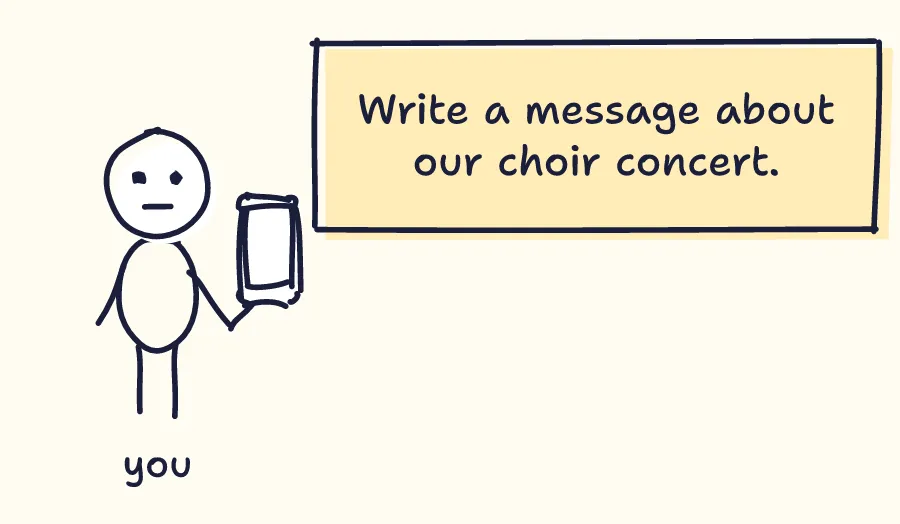
You lead a small choir in your neighbourhood, the Tuesday Choir. Its first concert is next Saturday. You open an AI chatbot and ask it for a message to send to your neighbours.
-
2
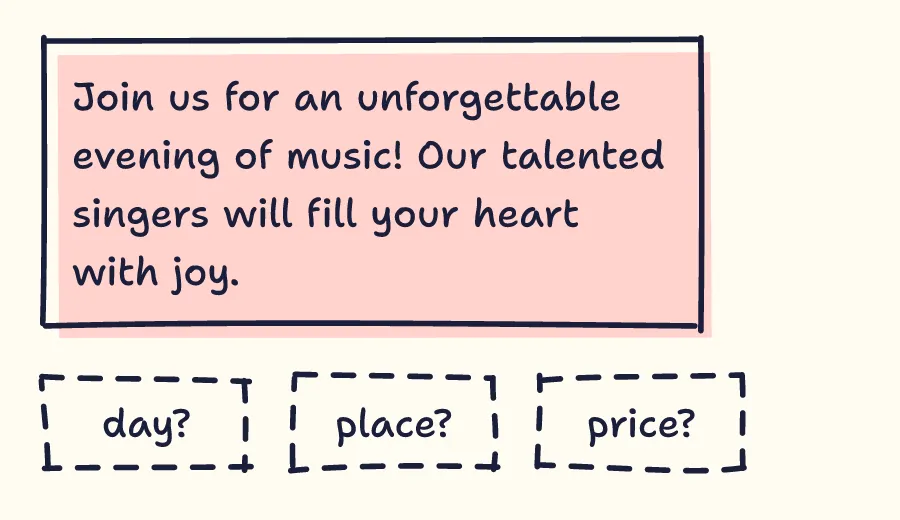
The answer comes in a second, and it sounds nice. But it has no day, no place and no price. And "our talented singers" could be the singers of any choir in the world.
-
3
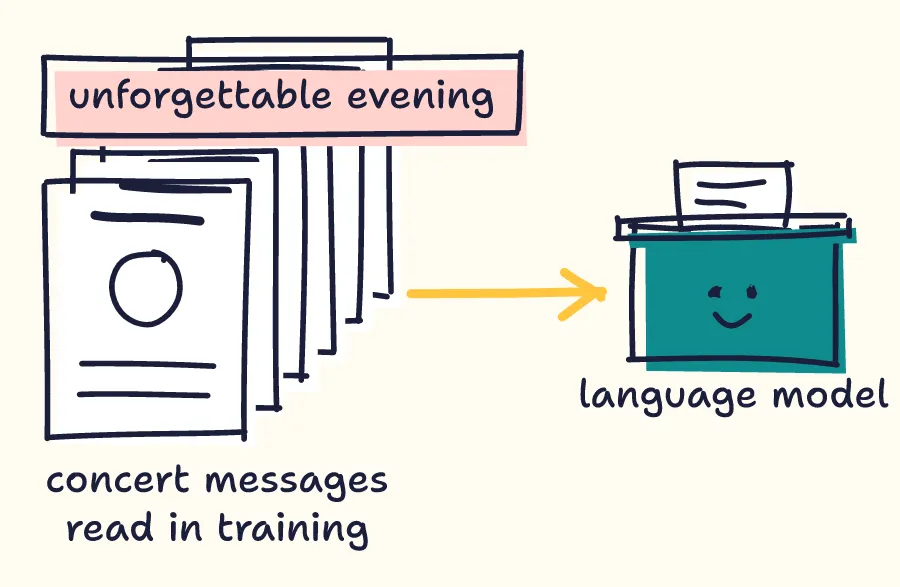
The model behind the chatbot writes the words that most often follow a prompt like yours. It learned them in training, from a huge amount of text. A great many concert messages in that text promise "an unforgettable evening".
-
4
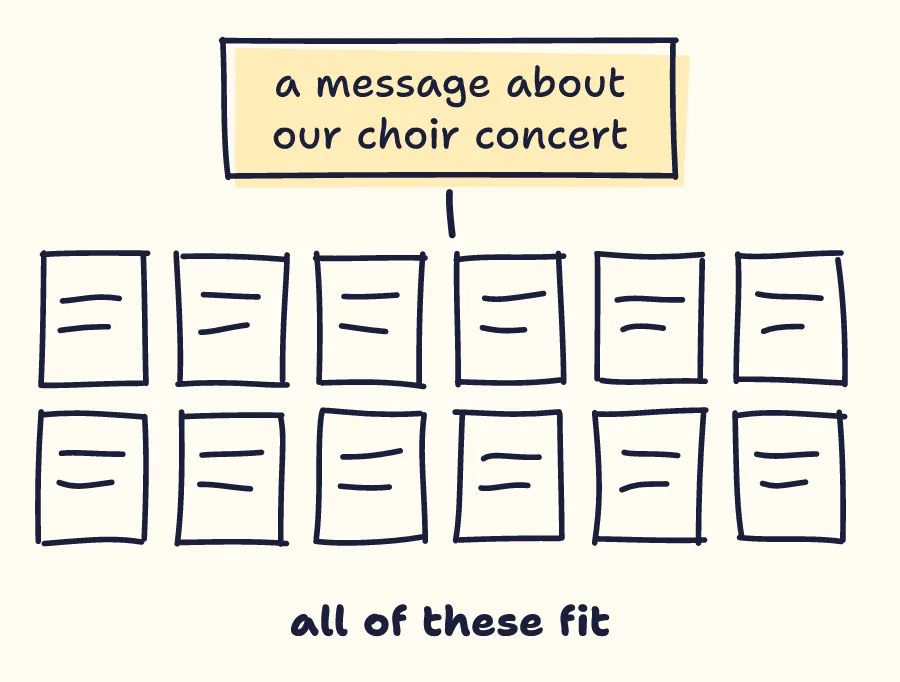
Your one line fits the concerts of thousands of choirs, big and small, near and far. So the likely words are the ones that fit all of them at once. That is why the answer could be anyone's.
-
5
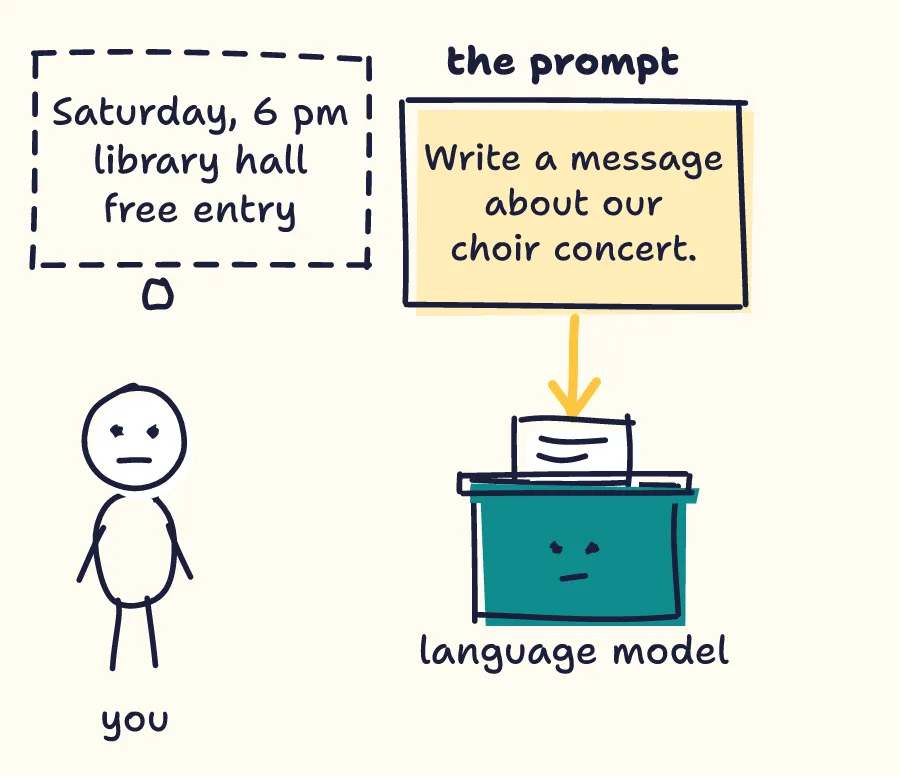
The model gets only the text you send, and that text is called the prompt. Saturday at 6 pm, the library hall, free entry: all of it is in your head. None of it is in the prompt.
-
6
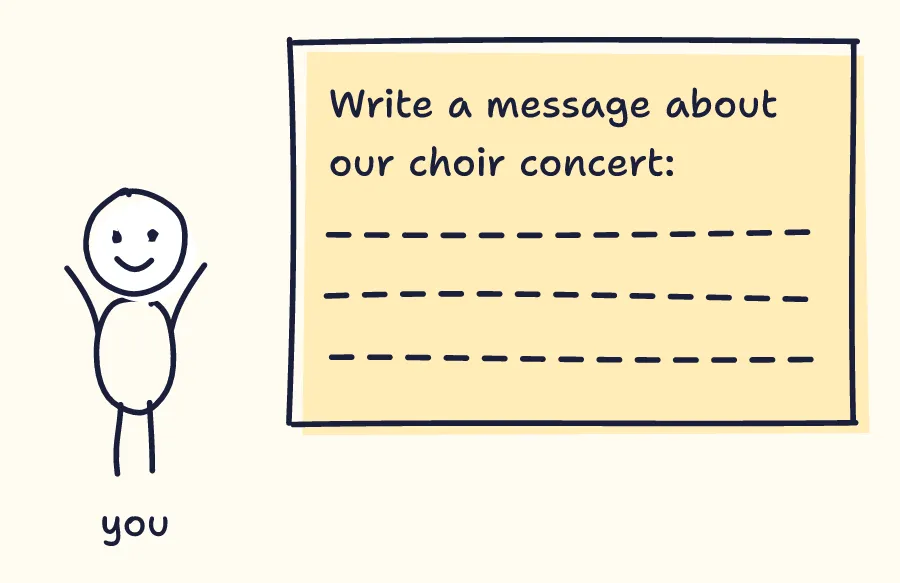
The plain answer, then, does not come from a bad model. It is a good guess for a prompt that says almost nothing. This time, you tell it more.
-
Go further
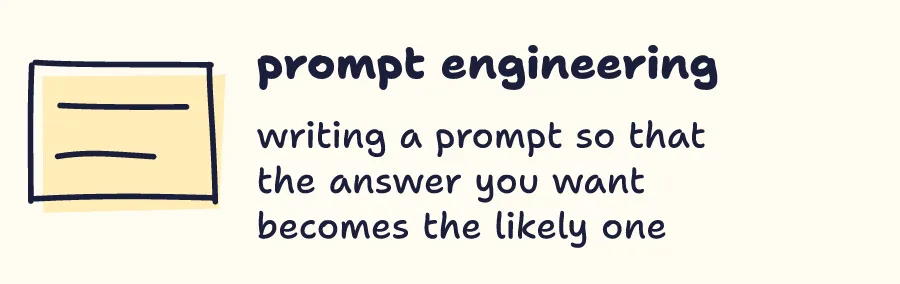
One name for what you are about to do.