How does money laundering work? A simple example
Dirty money: why criminals cannot just spend their cash
A gang can have a basement full of real banknotes and still not be able to buy a house with them. The notes are fine. So what is wrong with this money?
-
1
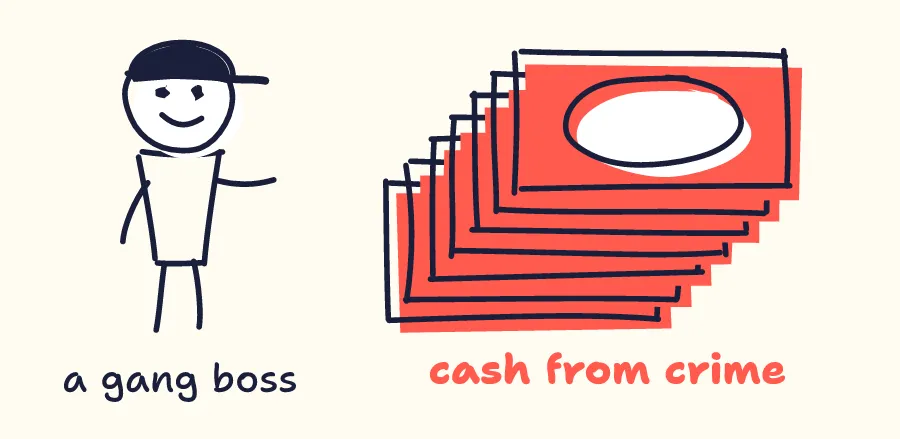
Meet a gang boss. His gang sells stolen goods, and the buyers pay in cash. After a year, he has a basement full of banknotes. They are real notes, and they spend like any others.
-
2
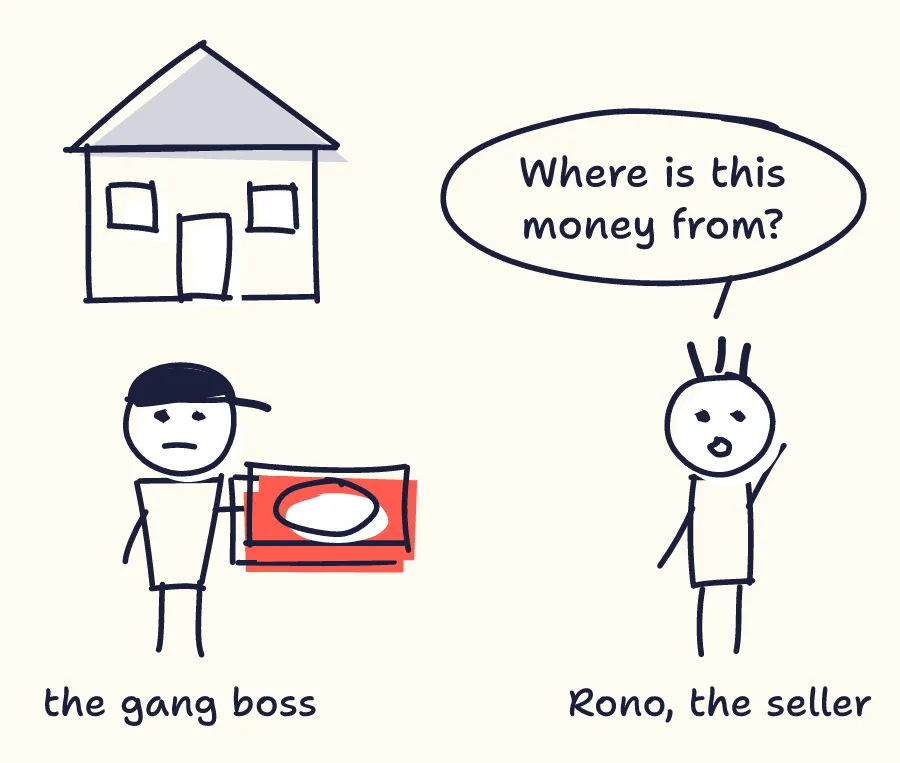
So he goes to buy a house with a bag of cash. Rono, who sells houses for a living, asks a simple question. In many countries, a seller like Rono must check where a big payment comes from.
-
3
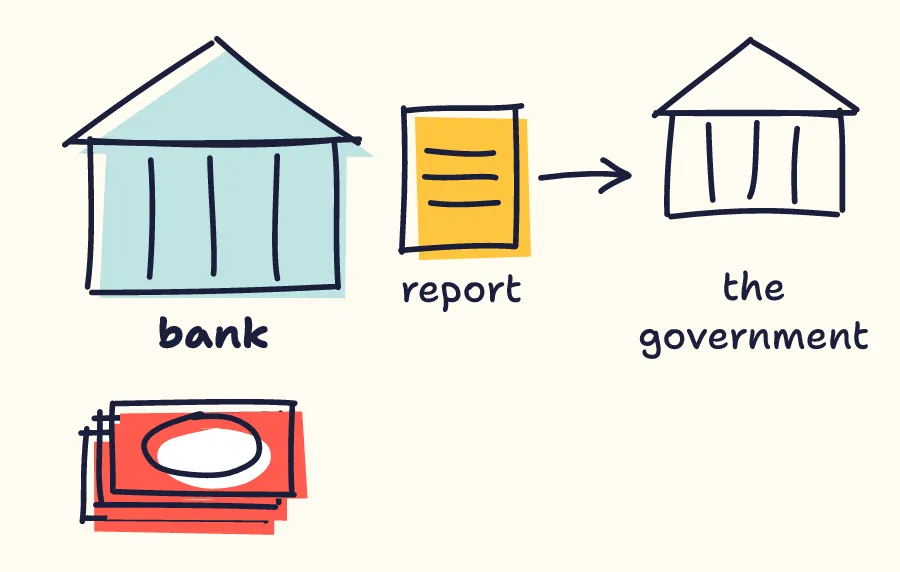
Could he put the cash in a bank instead? That is no way out either. In the United States, a bank tells the government about every cash deposit of more than $10,000. Many other countries have a rule like it.
-
4

And on paper, he earns nothing. The tax office would ask how a man with no income pays for a house. So the trouble is not the notes. The trouble is that this money has no story that explains it.
-
5
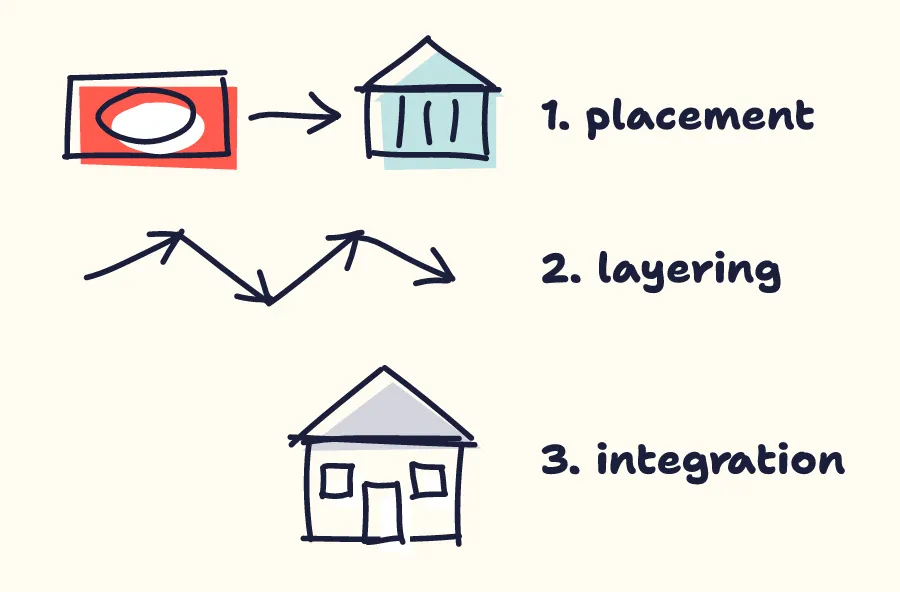
Money laundering is the work of giving dirty money a story that looks true. Experts split it into three moves. Placement puts the cash into a bank. Layering hides where it came from. Integration brings it back as clean money.
-
6
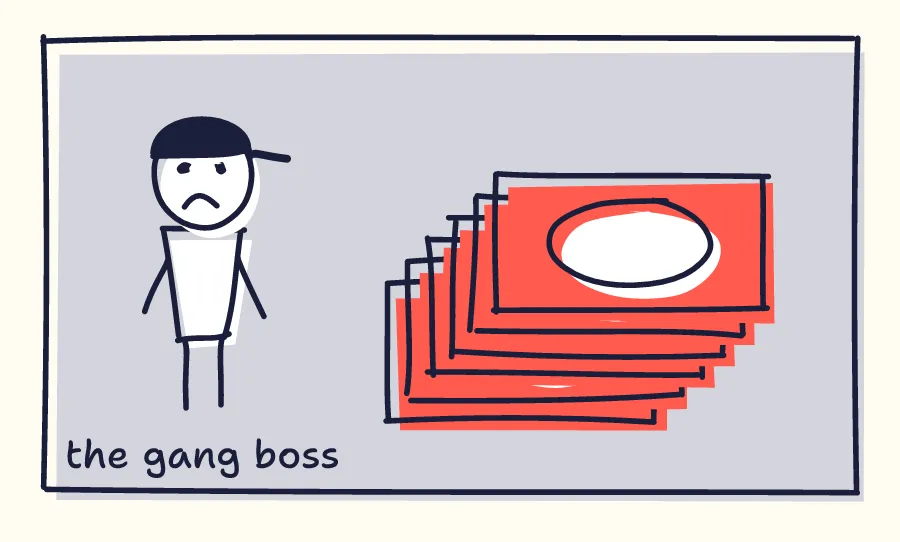
The first move is the hardest one for him. His money is still a pile of paper in a basement, and every bank asks questions about a big pile of cash.
-
Go further
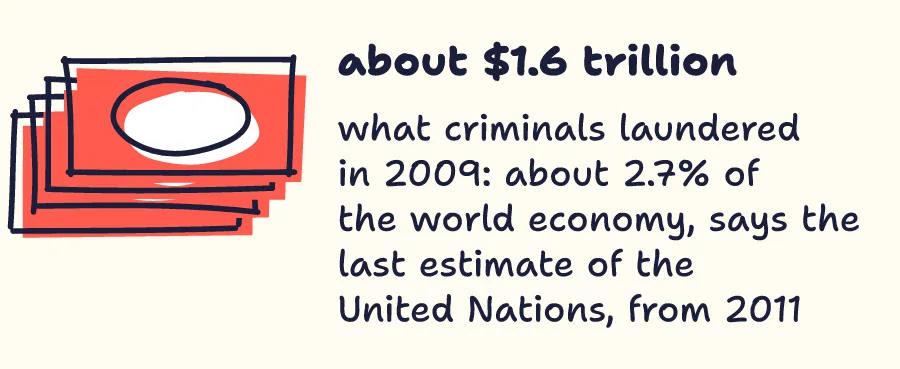
How big it is.