You are signed in. Close

You are signed out. Close

Thank you. Your subscription has started. Close

Thank you. You will get an email when a new comic comes out. Close

Almost done. Check your inbox and press the button in our email to confirm. Close

We could not check that you are a person. Please try again. Close

We could not confirm your payment. If you paid, use the link "Sign in" at the bottom of the page. Close

Something went wrong on our side. Please try again in a moment. Close

Previous episode The feeling of knowing: how your brain knows it knows before it finds the answer

Why can you remember that you forgot something, but not what it was?

The doorway effect: why walking into another room makes you forget

Scientists built rooms on a screen and asked people to carry things from table to table. The walk was always the same length. Only one small thing changed, and memory got worse.

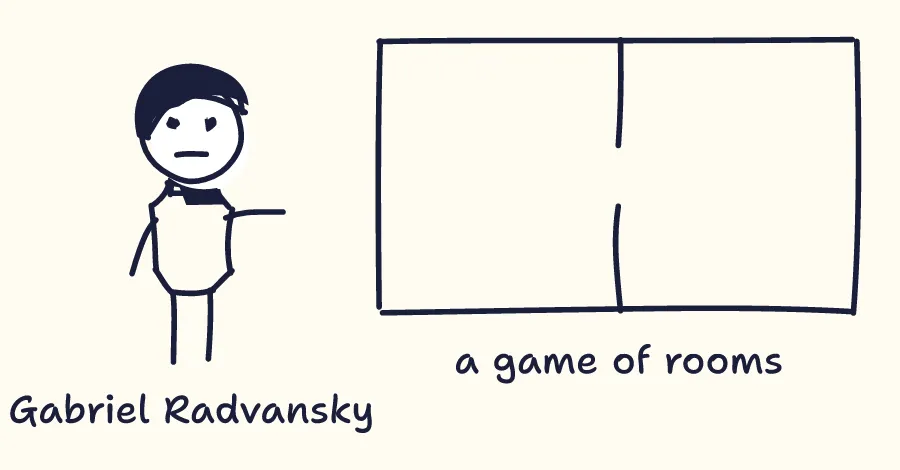
  1. 1 In 2011, the psychologist Gabriel Radvansky and his team built a game of rooms on a screen. People walked through it. They picked up an object at one table and carried it to the next table.

    In 2011, the psychologist Gabriel Radvansky and his team built a game of rooms on a screen. People walked through it. They picked up an object at one table and carried it to the next table.

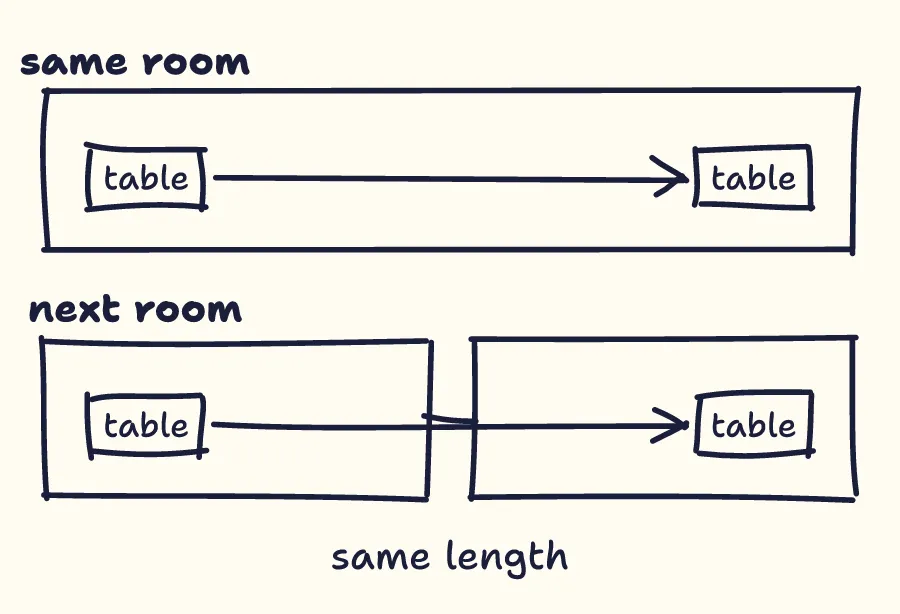
  2. 2 Sometimes the next table was across the same big room. Sometimes it was in the next room. The walk was the same length each time. Then the game asked: what are you carrying?

    Sometimes the next table was across the same big room. Sometimes it was in the next room. The walk was the same length each time. Then the game asked: what are you carrying?

The rest of this episode is for subscribers

3 episodes left in this comic, up to “Memory cues: what brings back a plan you forgot”.

Subscribe to read every premium episode. You can cancel when you want.

Paid yearly: $99 instead of $119.88

Next episode Why an unfinished plan stays switched on in your memory

Share this comic

More comics