Why can't you talk when you hear your own voice with a delay?
Why hearing your own voice a moment late makes you stutter
Put on headphones that play your voice back a fifth of a second late, and you can hardly say one sentence. Nothing changed in your mouth. So what broke?
-
1
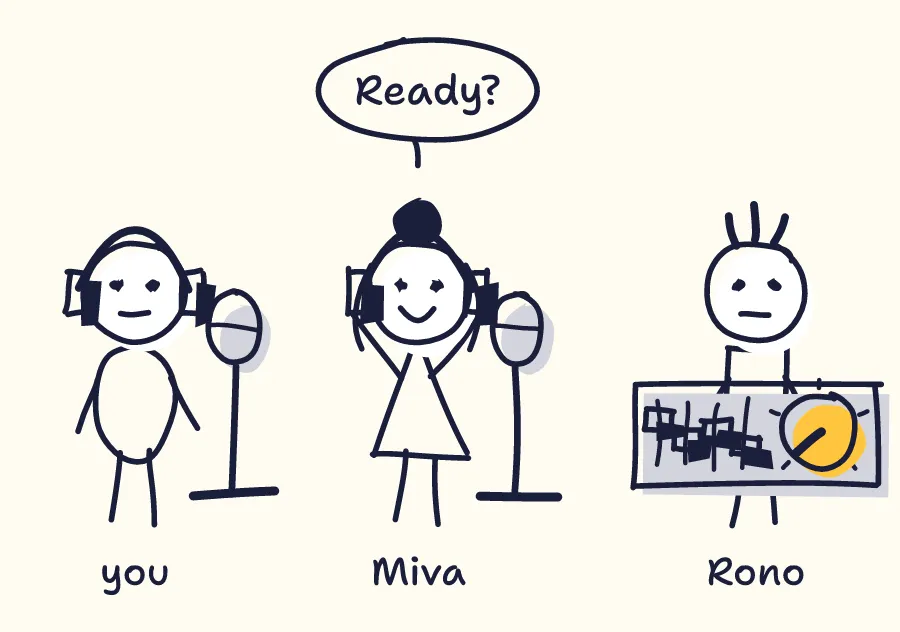
You and your friend Miva are about to record your first podcast. Your friend Rono runs the sound desk of his small studio. In your headphones, you hear your own voice, clear and close.
-
2
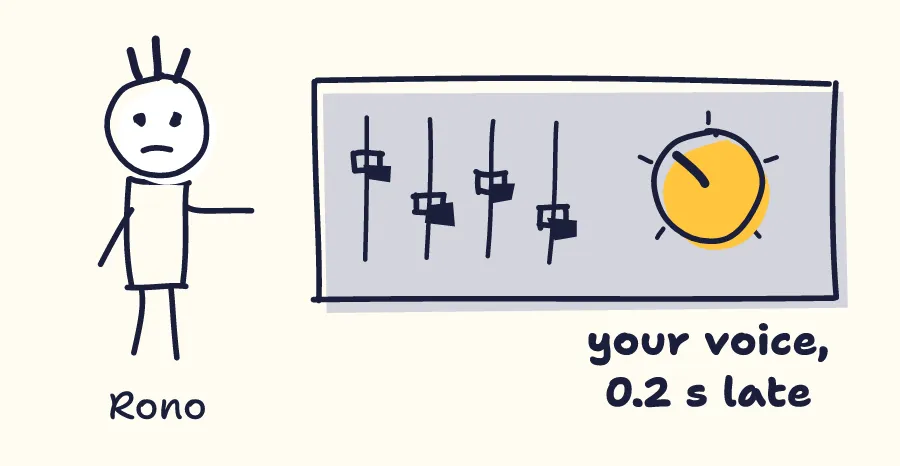
Rono wants to test something first. He turns one knob on his desk. Your voice still reaches your headphones, but now it comes 0.2 seconds late. That is a fifth of a second, about as long as a blink.
-
3
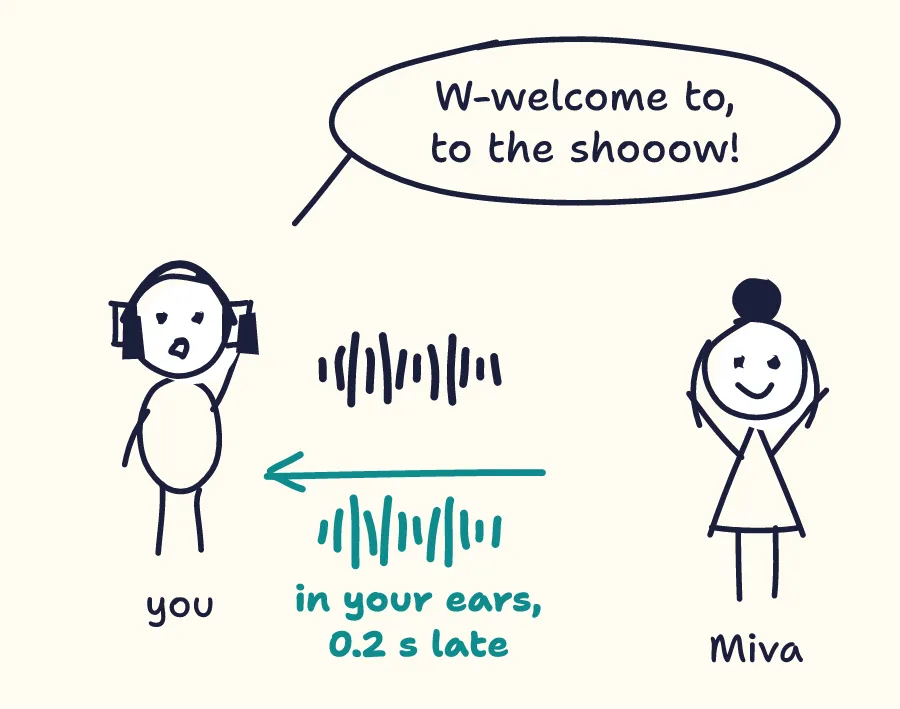
You start your welcome line, and it falls apart. You slow down. You stretch some sounds and say others twice, and your voice gets louder. Miva laughs. Then she tries it, and the same thing happens to her.
-
4
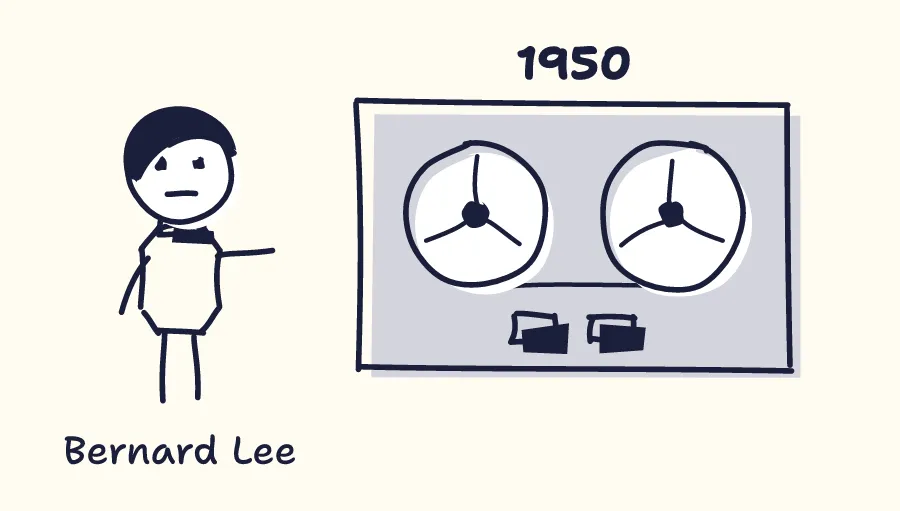
This trap is old. In 1950, an American engineer, Bernard Lee, played people's voices back to them a moment late, with a tape recorder. Almost everyone started to stumble. He later called it an "artificial stutter".
-
5
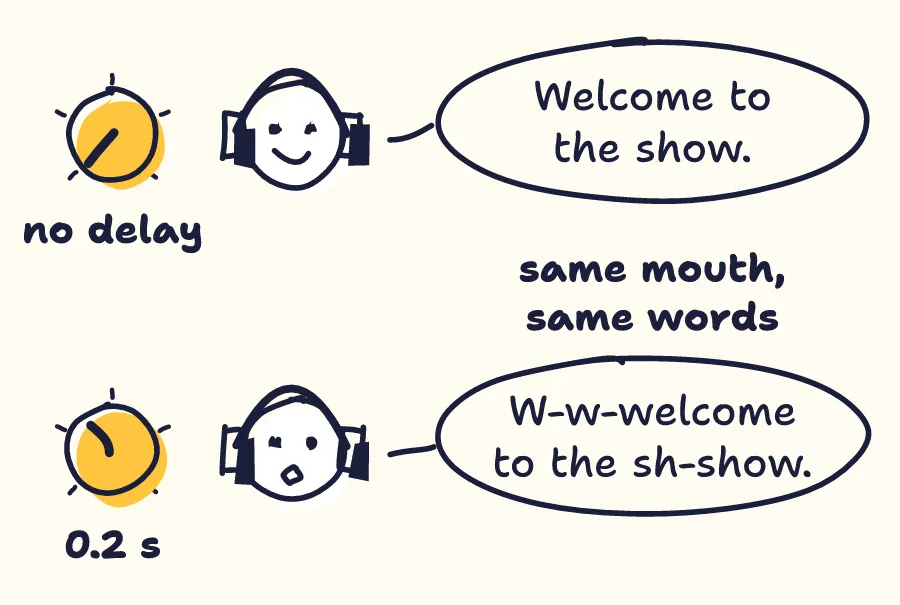
Scientists call it delayed auditory feedback: hearing your own voice late. And here is the strange part. Your mouth, your tongue and your words did not change. Only the sound in your ears did, and that alone was enough to break your speech.
-
Go further
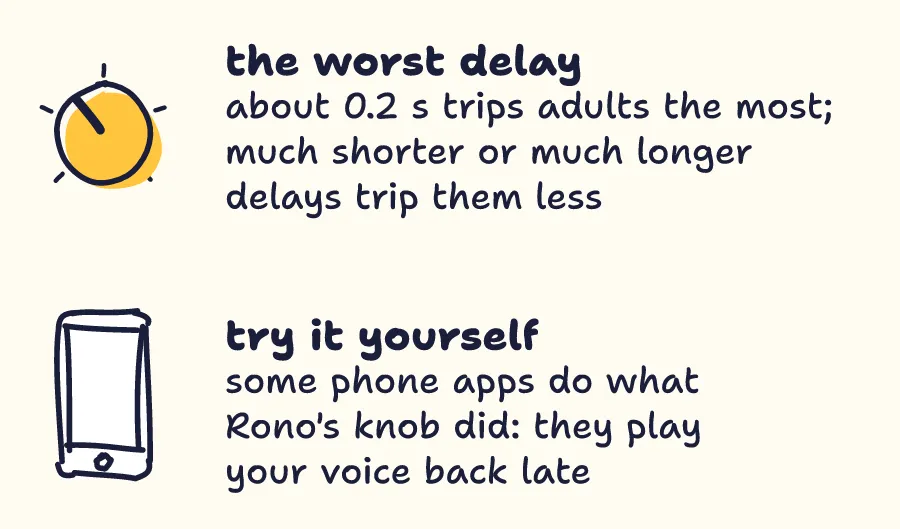
Two more facts about the delay.