You are signed in. Close

You are signed out. Close

Thank you. Your subscription has started. Close

Thank you. You will get an email when a new comic comes out. Close

Almost done. Check your inbox and press the button in our email to confirm. Close

We could not check that you are a person. Please try again. Close

We could not confirm your payment. If you paid, use the link "Sign in" at the bottom of the page. Close

Something went wrong on our side. Please try again in a moment. Close

Previous episode Why your muscles hurt the day after a workout, and not right away

Why do your muscles hurt the day after a workout, and not right away?

Lactic acid: does it really make your muscles sore the next day?

Ask anyone why their legs hurt after a hard workout, and they say lactic acid. In 1983, a simple treadmill test put that answer to the test.

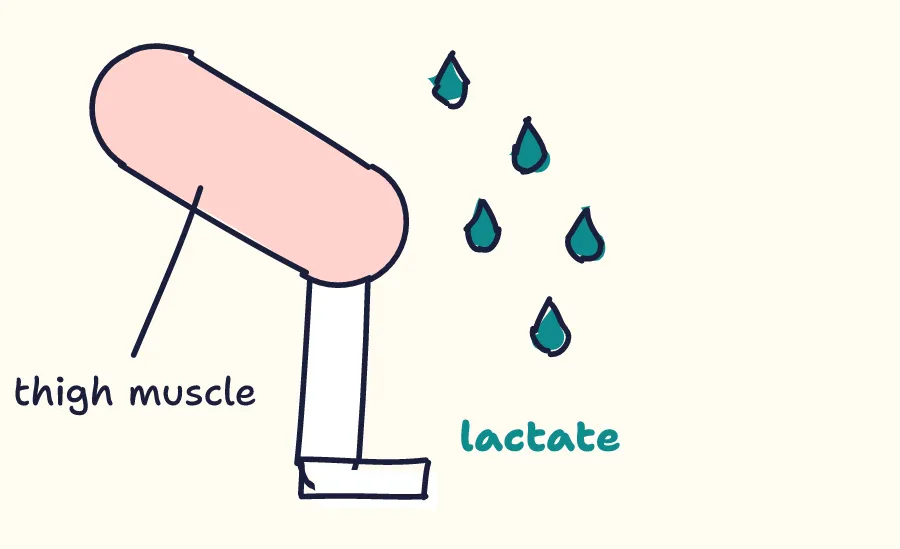
  1. 1 Rono is right about one thing. When a muscle works hard and fast, it makes a substance called lactate. Many people call it lactic acid. During your climb, your thighs made a lot of it.

    Rono is right about one thing. When a muscle works hard and fast, it makes a substance called lactate. Many people call it lactic acid. During your climb, your thighs made a lot of it.

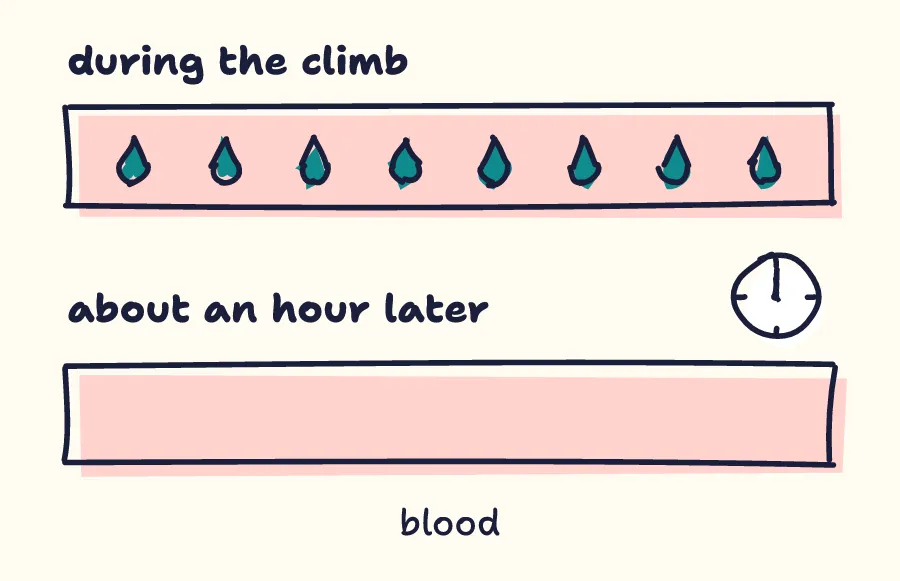
  2. 2 But lactate does not stay. Your blood carries it away, and other parts of the body use it up. About an hour after the effort, the level in your blood is back to normal.

    But lactate does not stay. Your blood carries it away, and other parts of the body use it up. About an hour after the effort, the level in your blood is back to normal.

  3. 3 So by Saturday evening, the lactate was already gone. Your thighs started to hurt only on Sunday. A thing that has left your body cannot hurt you the next day.

    So by Saturday evening, the lactate was already gone. Your thighs started to hurt only on Sunday. A thing that has left your body cannot hurt you the next day.

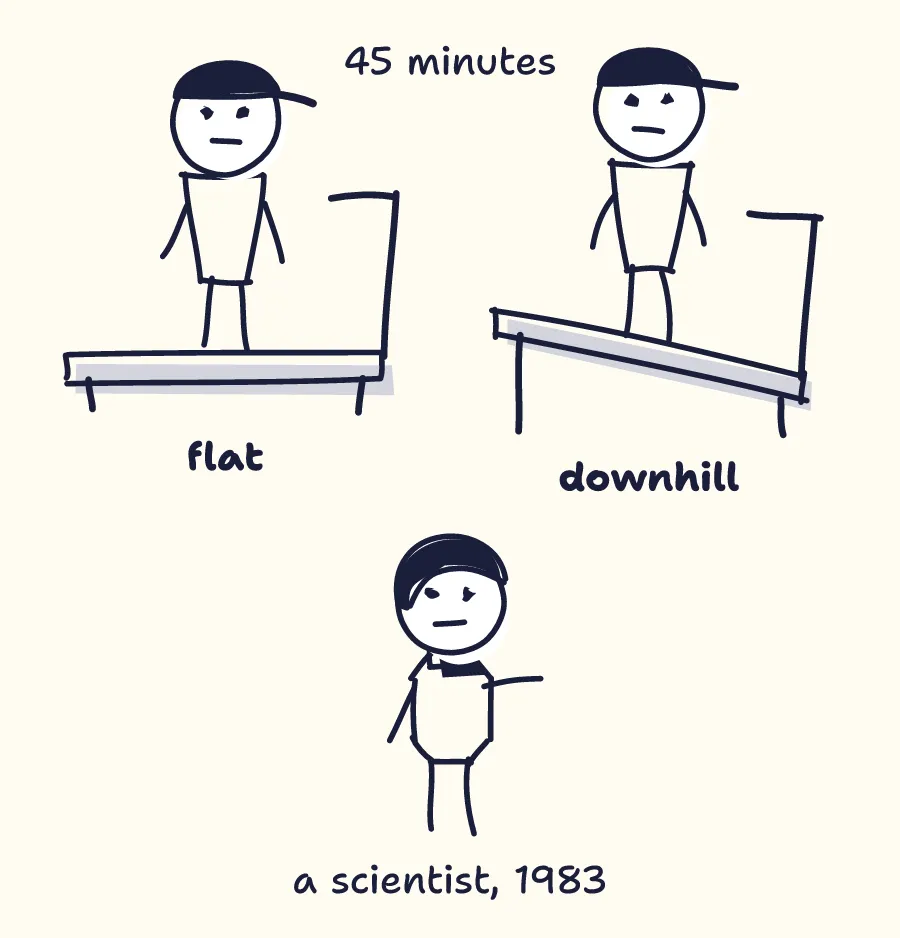
  4. 4 In 1983, a team of scientists put the idea to a test. People ran for 45 minutes on a treadmill. One time the treadmill was flat. Another time it was tilted, so they ran downhill.

    In 1983, a team of scientists put the idea to a test. People ran for 45 minutes on a treadmill. One time the treadmill was flat. Another time it was tilted, so they ran downhill.

  5. 5 Running on the flat, their lactate went up. Yet in the next days, nobody was sore. Running downhill, their lactate did not go up. Yet in the next days, their legs hurt.

    Running on the flat, their lactate went up. Yet in the next days, nobody was sore. Running downhill, their lactate did not go up. Yet in the next days, their legs hurt.

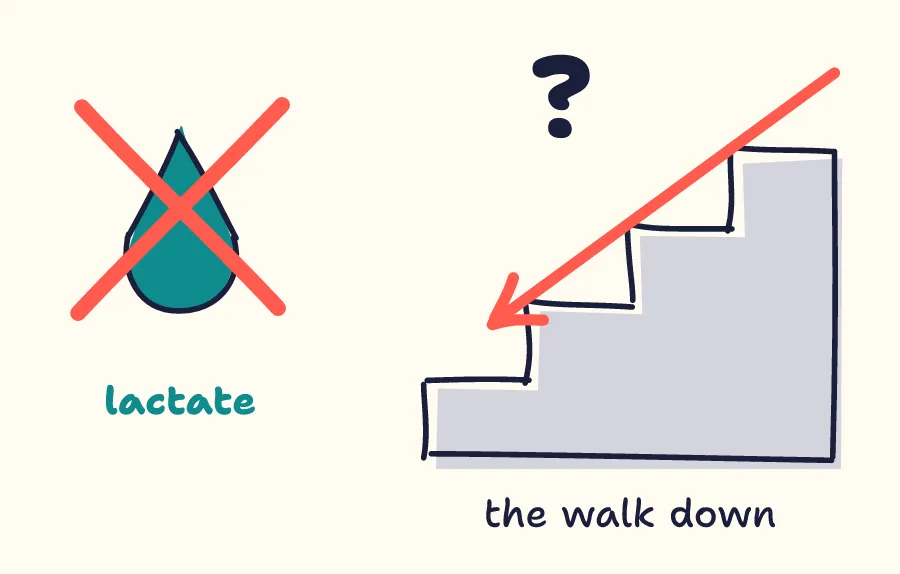
  6. 6 So lactate is not the cause of the ache. And your Saturday looks a lot like that test. The climb up made the burn, and the walk down was the easy part. So what did the walk down do to your legs?

    So lactate is not the cause of the ache. And your Saturday looks a lot like that test. The climb up made the burn, and the walk down was the easy part. So what did the walk down do to your legs?

  7. Quick check

    A bike race.

    A bike race.

    Show the answer

    No. The burn comes while you work and fades soon after. The ache two days later is another thing, and by then the lactate is long gone.

Next episode Eccentric contractions: why walking down stairs makes your legs sorer than climbing

Share this comic

More comics